
The great explorer of the truth, the master-builder of human happiness no one rejects dislikes avoids pleasure itself because it is pleasure but because know who do not those how to pursue pleasures rationally encounter consequences that are extremely painful desires to obtain.
Read MoreClarity
in Motion
See the spine as it truly moves.
A precise view of the spine in motion.
Schedule Your Appointment
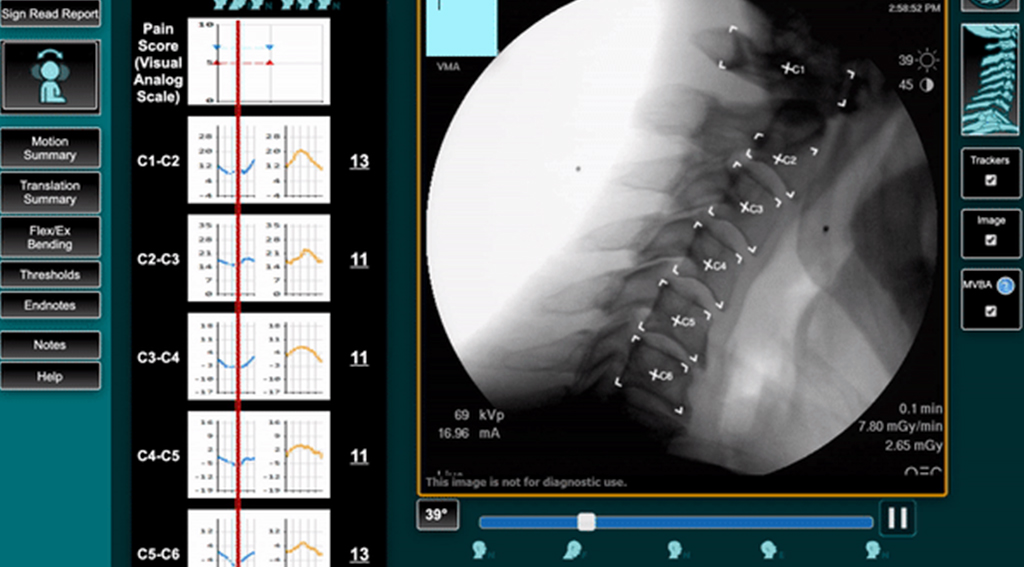
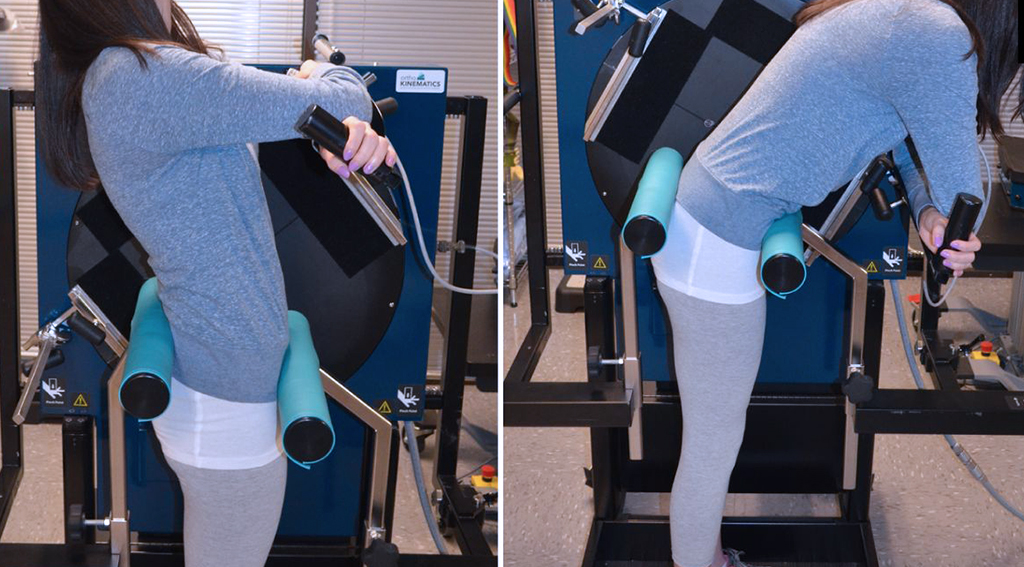
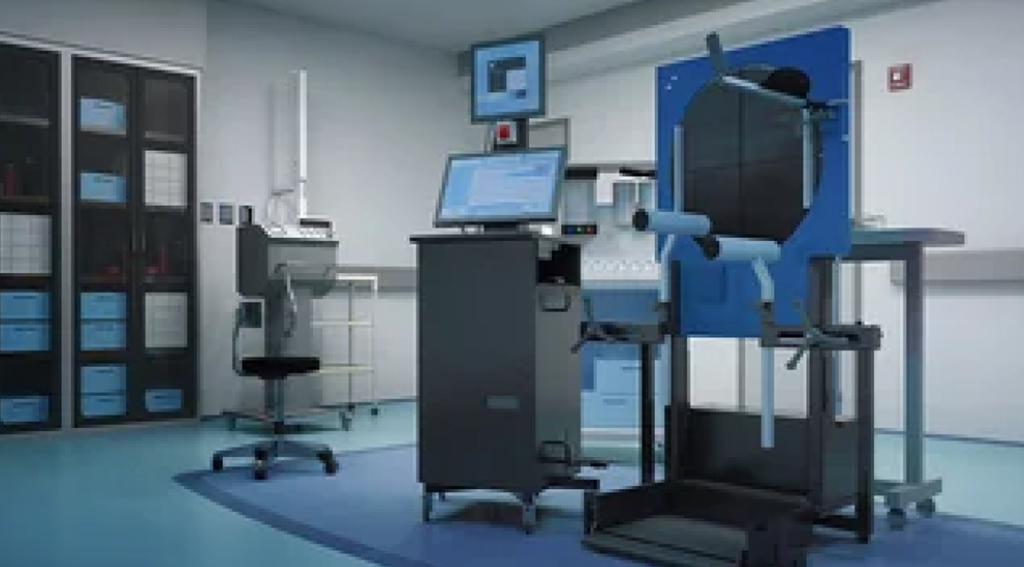
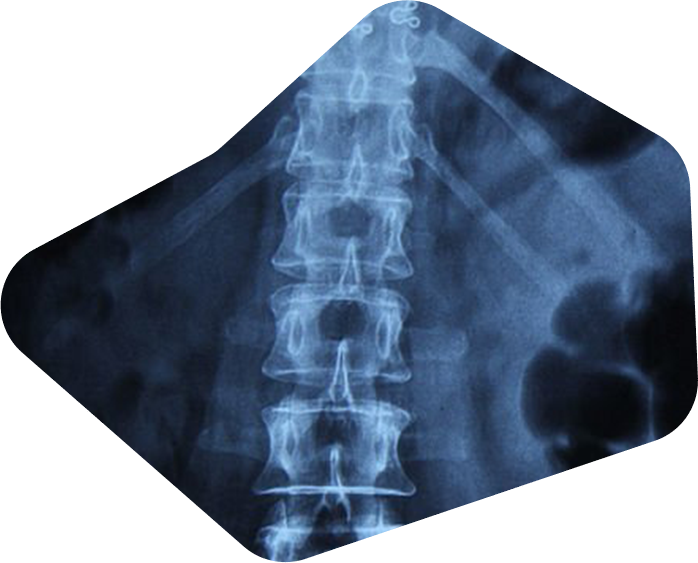
At TruePath Imaging, you receive motion-based spine imaging that shows what traditional tests miss. VMA® (Vertebral Motion Analysis) evaluates how your spine moves under stress, revealing instability that can lead to pain or functional loss.
Move Beyond Static Spine Imaging
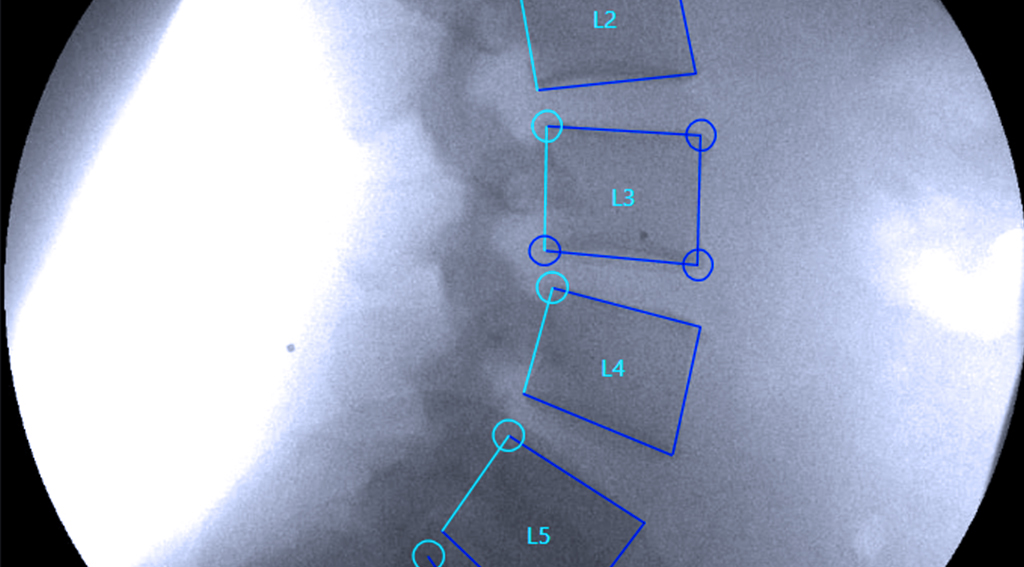
Spine imaging has relied heavily on static views such as X-ray and MRI. These studies show structure well, yet they limit how motion, instability, and subtle ligament injury appear. TruePath Imaging adds a different layer with Vertebral Motion Analysis, a dynamic study designed to measure spinal motion with precision. VMA reveals abnormal movement patterns that static images overlook, providing objective data early in evaluation and documentation.
Why Motion Matters
Motion matters because most spine injuries reveal themselves only when the vertebrae move. Static images hide the instability that causes recurring pain, slow recovery and missed diagnoses. A motion study shows how each segment behaves under real forces, giving you a clearer picture of the true problem and a faster path to the right treatment.
Stronger Evidence Starts Here
Get objective motion data that turns soft-tissue cases into documented injury cases.
Built for Clinical Precision
See spinal motion in real time and identify instability that static imaging misses. Learn how VMA strengthens diagnosis and treatment planning.
A Clearer Path to Answers
VMA shows what static imaging misses.
It captures the spine in motion, revealing instability that X-rays and MRIs often overlook.
VMA delivers objective, measurable findings.
Its technology provides precise motion data in millimeters and degrees, not subjective interpretations.
VMA gives you a clearer path to answers.
It identifies hidden ligament injuries, connects symptoms to real findings, and supports better decisions for care or case strategy.